
Top 10 Canned Food Importing Countries
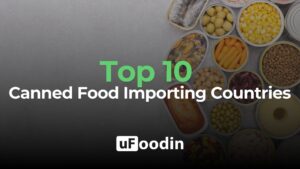
Canned food plays a pivotal role in the global food industry, providing essential solutions for food preservation, convenience, and affordability. With a market valued at over $85 billion in 2023, canned food imports cater to a wide array of consumer needs, from ready-to-eat meals to essential pantry staples like vegetables, fruits, and seafood. The Top 10 Canned Food Importing Countries contribute to more than 65% of global trade, reflecting their importance in meeting the demands of urbanization and fast-paced lifestyles.
The global canned food industry continues to expand, driven by increased urbanization, longer shelf-life needs, and a focus on reducing food waste. In regions with high population densities or limited local production, canned food imports provide a crucial way to ensure food security. Meanwhile, the market has evolved beyond mere preservation, with premium and organic canned food options gaining popularity among health-conscious and environmentally aware consumers.
While traditional markets like the United States, Germany, and the United Kingdom maintain their dominance, rapid growth in Asia, Africa, and the Middle East signals exciting new opportunities. This article explores the Top 10 Canned Food Importing Countries, delving into the factors driving demand, emerging trends, and the challenges facing this essential sector.
1. United States
- Import Value: Over $15 billion (2023)
- Why It Stands Out: The U.S. is the largest importer of canned food, catering to its demand for ready-to-eat meals and long-lasting pantry staples.
- Key Insights: Key imports include canned vegetables, fruits, and seafood, with suppliers from China, Thailand, and Mexico leading the market.
2. Germany
- Import Value: Approximately $10 billion (2023)
- Why It Stands Out: Germany’s preference for convenience foods and its strong distribution network make it a top importer of canned goods.
- Key Insights: Italy, Spain, and the Netherlands dominate the supply chain, providing canned tomatoes, olives, and fish.
3. United Kingdom
- Import Value: Around $9 billion (2023)
- Why It Stands Out: The UK’s demand for canned products is driven by its reliance on imported foods and busy urban lifestyles.
- Key Insights: Leading suppliers include Italy, the Netherlands, and Thailand, focusing on canned beans, fish, and soups.
4. Japan
- Import Value: Over $8.5 billion (2023)
- Why It Stands Out: Japan’s imports focus on high-quality and specialty canned foods, catering to its diverse culinary needs.
- Key Insights: Key suppliers include Thailand, China, and the U.S., with canned seafood and fruits being top imports.
5. France
- Import Value: Approximately $7.5 billion (2023)
- Why It Stands Out: France imports a variety of canned goods, particularly seafood and vegetables, to complement its culinary traditions.
- Key Insights: Spain, Italy, and Portugal are key suppliers, focusing on premium canned goods.
6. Canada
- Import Value: Around $6.5 billion (2023)
- Why It Stands Out: Canada’s imports cater to its multicultural population, emphasizing canned fruits, beans, and seafood.
- Key Insights: The U.S., China, and Thailand dominate imports, providing diverse canned options.
7. China
- Import Value: Over $5.8 billion (2023)
- Why It Stands Out: Despite being a major exporter, China imports specialty canned foods to cater to its growing urban population.
- Key Insights: Key imports include canned dairy, fruits, and seafood from Thailand, the U.S., and New Zealand.
8. Italy
- Import Value: Approximately $5 billion (2023)
- Why It Stands Out: Italy imports canned products like fish and legumes to complement its Mediterranean diet and culinary exports.
- Key Insights: Spain, Portugal, and Greece are leading suppliers.
9. Saudi Arabia
- Import Value: Around $4.5 billion (2023)
- Why It Stands Out: Saudi Arabia’s reliance on imports for staple foods drives its demand for canned vegetables, fruits, and dairy products.
- Key Insights: Suppliers include the U.S., Thailand, and the Netherlands.
10. South Korea
- Import Value: Over $4 billion (2023)
- Why It Stands Out: South Korea’s imports focus on canned seafood, fruits, and ready-to-eat meals to cater to its urban population.
- Key Insights: Key suppliers include China, the U.S., and Thailand.
Key Trends in Canned Food Imports
- Focus on Health and Nutrition:
Increased demand for canned organic and low-sodium options reflects consumer health trends. - Growth of Ready-to-Eat Meals:
Urbanization and fast-paced lifestyles are driving demand for convenient, pre-cooked canned meals. - Sustainability and Recycling:
Importers prioritize suppliers with sustainable sourcing and recyclable packaging practices. - Expanding E-Commerce:
Online platforms are enabling consumers to access a broader range of canned products globally. - Premiumization of Products:
High-quality and specialty canned foods, such as gourmet seafood and organic vegetables, are gaining traction. - Emerging Markets:
Growing demand in Asia, Africa, and the Middle East is driving diversification of canned food imports.
Major Challenges in Canned Food Imports
- Rising Production Costs:
Increased raw material and energy costs are impacting pricing and supply chains. - Supply Chain Disruptions:
Global logistical issues, including port delays and freight costs, challenge import efficiency. - Regulatory Standards:
Importers must navigate varying food safety and labeling requirements across markets. - Sustainability Pressures:
Importers and producers face growing demands for environmentally friendly packaging and sourcing practices. - Competition with Fresh Alternatives:
The perception of fresh food as healthier limits the growth of canned food in certain markets. - Price Sensitivity:
Economic instability and inflation impact consumer spending on premium canned products.
The Top 10 Canned Food Importing Countries underline the critical role of canned products in ensuring global food security and convenience. From the U.S.’s demand for pantry staples to Japan’s focus on high-quality imports, the canned food trade offers vast opportunities for exporters.
Platforms like uFoodin bridge the gap between producers and importers, offering tools to streamline logistics, ensure regulatory compliance, and monitor market trends. With its presence in over 210 countries, uFoodin enables stakeholders to capitalize on emerging opportunities and navigate challenges effectively.
By leveraging uFoodin’s network, exporters can expand their global reach, foster sustainability, and meet the evolving demands of the canned food market.
uFoodin Editorial Team
Bibliography
- Statista: Global Canned Food Market Insights
- FAO: Canned Food Trade Statistics
- Reuters: Trends in Canned Food Imports
- MarketWatch: Challenges in Canned Food Supply Chains
- Grand View Research: Canned Food Market Analysis
- Mordor Intelligence: Canned Food Import Forecasts